Management consultants, trainers, coaches, and speakers inspire us to be winners. Many use popular metaphors to motivate us. One I see a lot at conferences and in books is “you gotta be the lead dog.” You probably heard these phrases over the years:
• “If you’re not the lead dog, the view never changes!”
• “You gotta be the lead dog, or you’re always looking at someone’s ass.”
• “Don’t ever be one of the poor sons of bitches running behind the lead dog.”
The latest Google search shows 100,000 published hit on the lead-dog phrase. Given such advice's longevity and widespread use, it must have lasting value we all can learn from. These experts can be proud of the motivational impact they’ve had by sharing their wisdom with us.
But I was curious where it all started.
That’s when I did something stupid.
I asked lead dogs.
AUTOPSY
Researching the sources of this fantastic leadership insight uncovered one minor detail. None of these “experts” ever ran a dog-sled team.
What?
A management guru never researched what they were preaching?
Did you really just ask that question?
My kids grew up skiing in Steamboat Springs, Colorado. With a legendary history of creating top competitive skiers, Steamboat’s Olympic-level instructors improve even the most difficult students. Not me, but a friend.
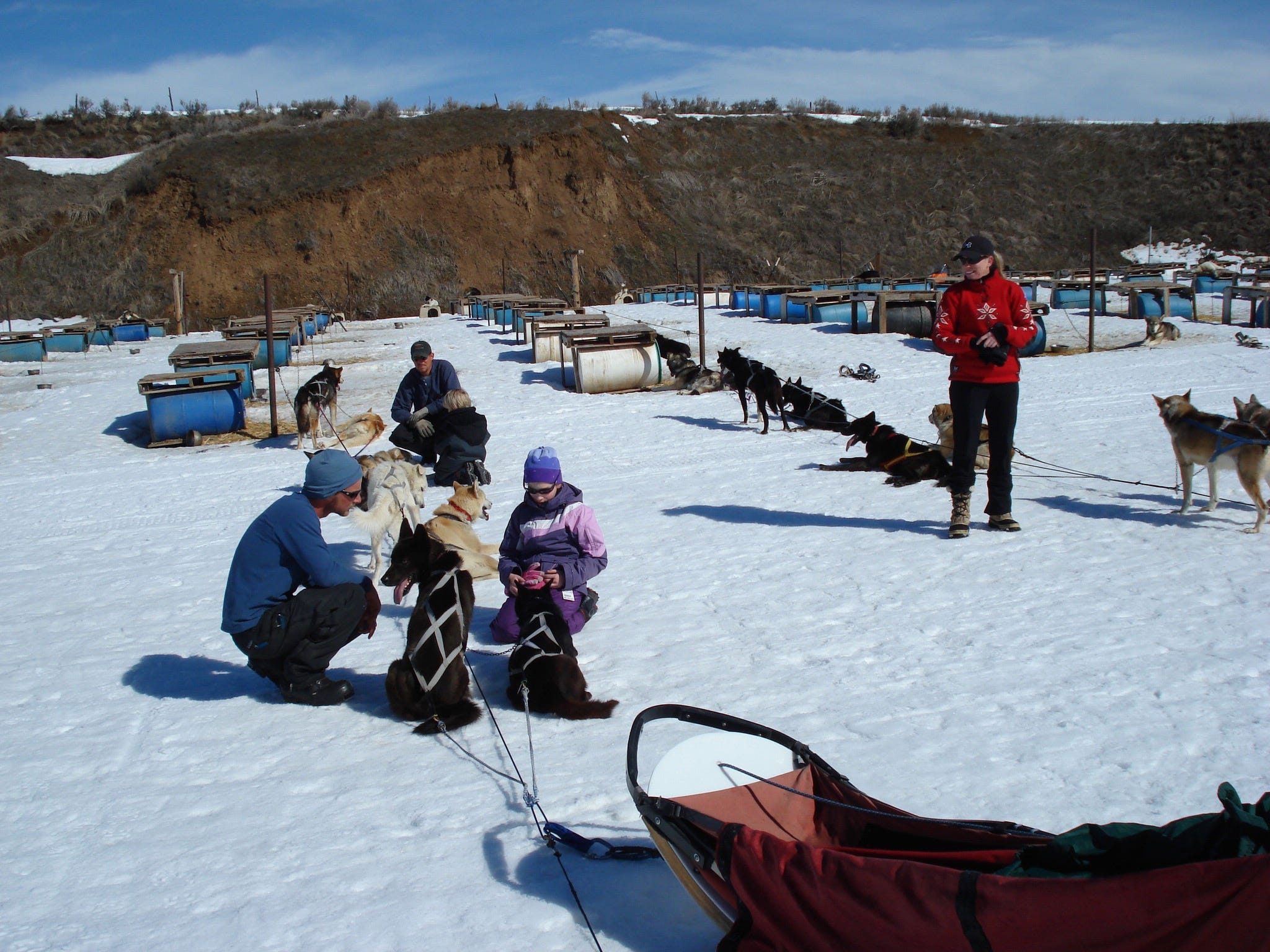
Every year at Steamboat, I’d take a break with my kids to run dog-sled teams. I got so addicted to the sport that I try to find a dog-sled facility whenever I’m in the mountains during winter. At Steamboat, we prefer to use Grizzle-T Dog & Sled Works to train us to be better mushers. They train dogs for the Iditarod, so we can assume they know a little bit about dog sledding.
Here’s what I learned:
The only poor sons of bitches on a dog sled team are the lead dogs!
Why?
Busted
What do dogs behind the lead dogs do?
Contrary to what the “experts” have been telling us, they do everything but look at the lead dog’s ass! They enjoy the run, relish the side views, bark at each other, pull off to one side or the next, and totally ignore the poor lead-dogs in front trying to keep them on the trail.
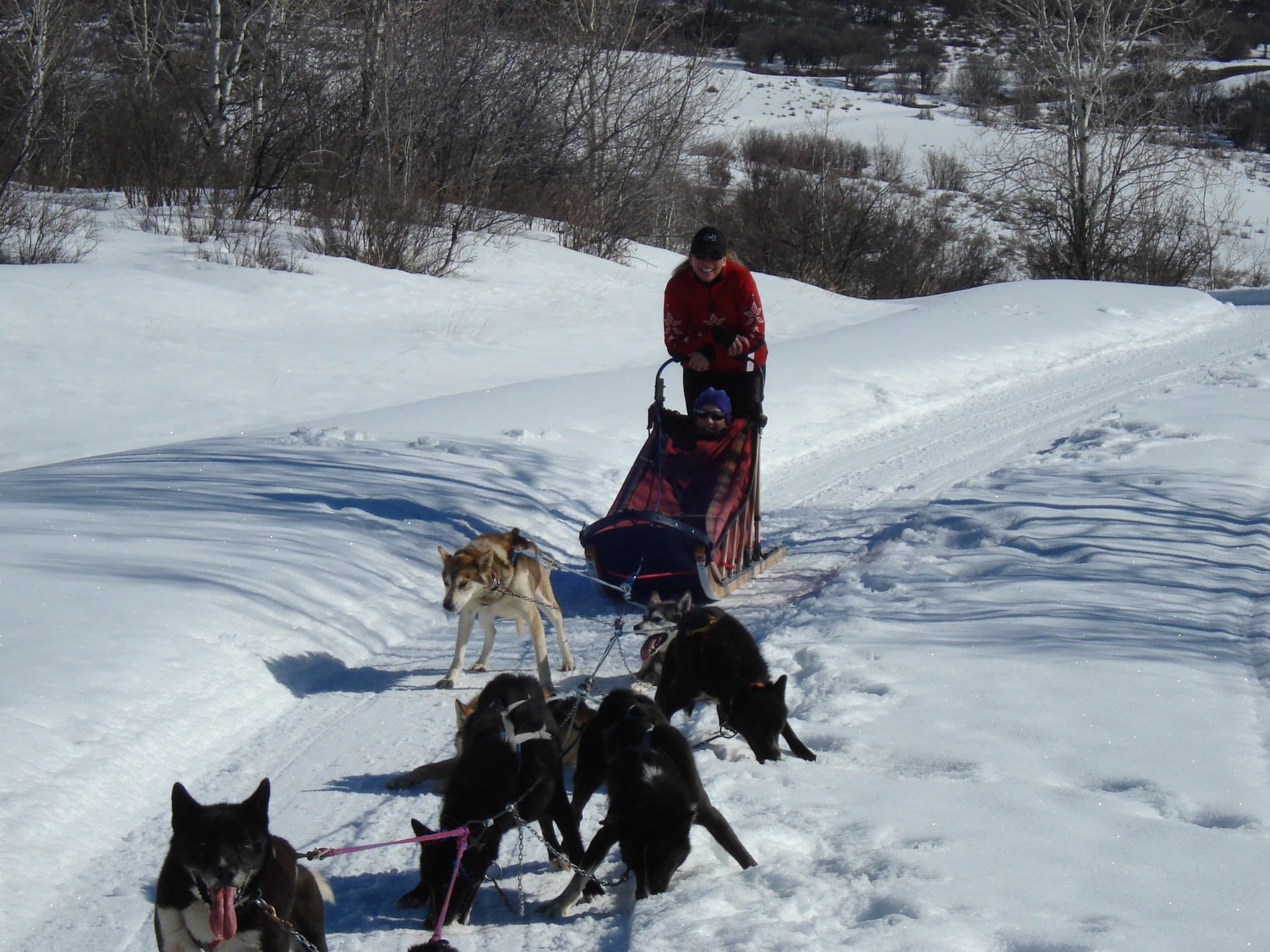
On one trip at a facility in the Rockies, I got the team running but a couple dogs jumped over the gangline as we took off (it’s the line that attaches the dogs’ harness tuglines to the sled). Once again, the dogs failed to follow the lead dog and just decided to change positions. This unbalanced the team. As we picked up speed I felt a strong pull too hard to the left. I leaned right as I was trained to do, but it wasn’t enough. We started going off trail into deep snow; and a ravine. This meant a sled tip was imminent. A tip is never a good thing because if it flipped, I’d be thrown off, and the sled would slide into the ravine . . . but my five-year-old son was inside!
It became scary real fast.
The lead dogs had no more control and would be pulled into the ravine no matter how hard they wanted the rest to follow them and keep on the trail. Realizing that, my training kicked in and I stood on the snow brake pad, but it failed to grip the deep snow, and we were getting deeper. Next, knowing I had to balance the sled in this emergency, I quickly hopped off the back and onto the runners on the opposite side, stood up, and leaned backwards, hanging on with my arms outstretched to counterbalance the weight and prevent flipping (kind of like when burying the rail in catamaran racing).
Realizing the crisis, a snowmobile zoomed past and halted the team. They rotated the dogs, who still refused to look at the lead dog’s ass, but we now had a more balanced team and, once again, a great trail ride.
One year later at another location, it was a beautiful day. Untouched snow could be seen for miles, the sky was so clear we could see miles down range, and we breathed nothing but fresh, crisp air. We ran the dogs for about a mile until we approached a sharp bend around a steep hill. The dogs picked up their pace. We were moving fast, so hanging on became fun and exciting as we hit that curve at high speed! The only problem was the other dog team thought it was fun and exciting too . . . coming from the opposite direction!
They met us straight on.
We experienced a very rare dog-sledding accident – a head-on collision. Literally!
And who were the poor suckers taking the brunt of that mistake “head-on”?
Yes, the lead dogs.
I got another clue about lead dogs when I took my two corgis to doggie daycare one day. As a single dad with full custody after a brutal divorce, I needed help with the dogs. One day I asked the owner about this “lead dog” thing. She laughed, “Nobody wants to be the lead dog. It’s a pain in the ass having all these dogs follow you around. They are constantly bothered and look annoyed all day. So, they try to avoid it!”
But, needing more data, I went to another group to expose this myth: 30,000 CEOs.
I’ve trained many CEOs in over 2,000 workshops, and whenever I probe how much fun they are having, they sound like battered lead dogs. One CEO summed it up nicely,
“Imagine always trying to get everybody to follow you, having the buck stop on your desk, and being the only one feeling panic when the bank calls. When you’re the only one in the meetings feeling pain, everybody thinking you’re the complaint-desk, and you never can find and keep enough talent, the days get very long. Then you feel guilty going home and dumping on the spouse.”
Sure, there are fun and fulfilling reasons to be a CEO or Senior Executive, but being the lead dog isn’t one of them.
WHAT TO DO
Ignore any speaker who says you should be the lead dog. They’ve never run a dog-sled team. The lead dog position sucks!
But don’t we need lead dogs?
Yes. Of course. It’s a necessary position, but also a LOT of work; whether you want to be or not. So, if you’re one now or will be at some point, be prepared to do what lead dogs really do:
-
build trust.
-
stay focused.
-
have patience with those behind you.
-
drive forward with confidence (even if you lack it).
-
persevere despite the brutal elements trying to stop you.
-
. . . and take the head-on collisions.
And if you think the ones behind you are going to blindly follow you, you’ll be off trail heading into a ravine soon enough!
Here are a few tips for tomorrow:
-
Don’t do all the pulling. Review your todo list and annual objectives. Where do you feel you’re shouldering too much? Where can you delegate or outsource decisions, problems, or actions? Maybe it’s time to let the others take a few curves, and learn from mistakes.
-
Check your team’s strength. Can you delegate confidently? If not, where is your team weak, and what can you do to make it stronger or balanced? Or, gulp, is someone just not ready to be on your team?
-
Lean on your musher. You need someone on the sled behind you so you can look back to them when you need help or confidence for the path ahead. Be sure to run with a good Board, trusted advisors, or an executive peer group behind you.
Well, that’s it. Hopefully, you enjoyed another myth busted.
Feel free to share this with other lead dogs!
Call to Action
1) Forward this to friends and colleagues.
Let them join you in the revolution against the status quo.
2) Comment on your experience of this topic.
It helps our community a lot.
3) Go further (your competitors are reading this too).
The difference? They’ll keep running initiatives that change nothing. Keep complaining teams “lack urgency.” Keep creating plans that die in execution.
Or they’ll do what 75 executive teams do annually: Bring me in to show why their management theories fail—and what actually works.
Here’s what I don’t do: Workshops on “alignment”, motivational speeches, or ideas that sounds brilliant in the boardroom but die in implementation.
Here’s what happens instead: Your team learns the research from MIT, Johns Hopkins, and decades of fieldwork explaining why initiatives failed. Then we fix it.
“It’s the first event we’ve ever had where people actually implemented something.”
Whether a keynote, retreat, or offsite—the goal is the same:
-
Move the needle.
-
Make it unforgettable.
-
Create an experience where they actually do something differently afterward.
Press kit & inquiries: [email protected]
P.S.: My calendar is 60% booked through year end. Let’s talk. Your funding supports our research.

Responses